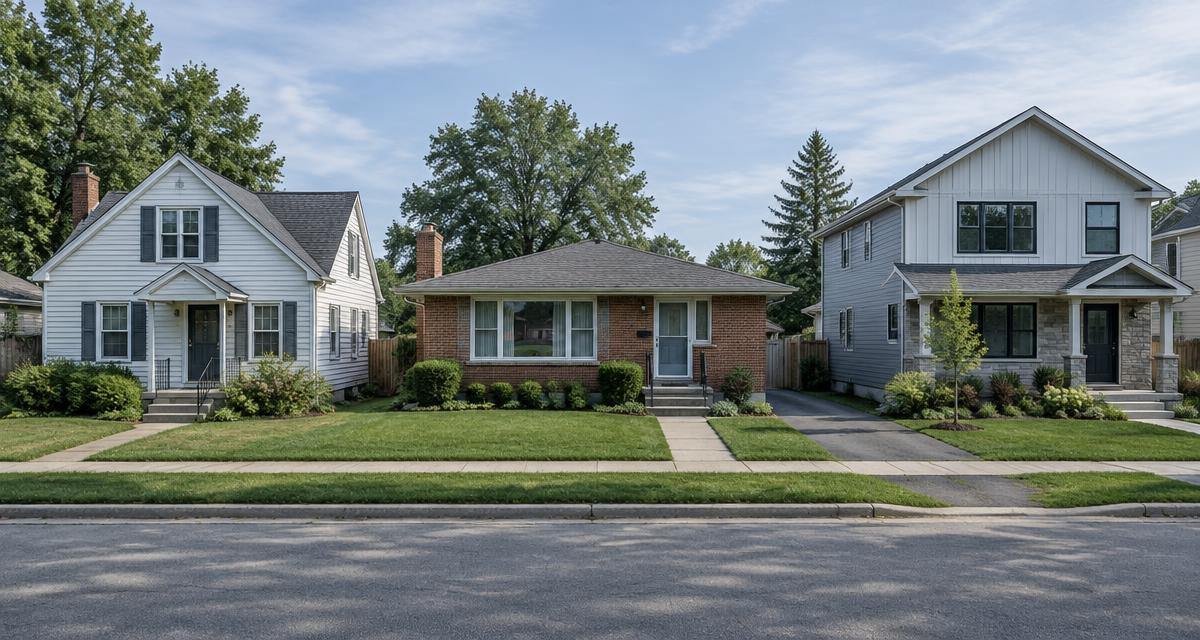
When a real estate agent gets ready to suggest a listing price, they usually present something known as a Comparative Market Analysis, or CMA. This document serves as the primary tool agents use to determine home values, and sellers who understand how to interpret one are in a much stronger position to assess their agent's advice and make smart choices about their sales approach.
What a CMA Is
A Comparative Market Analysis is a report created by a real estate professional that approximates a property's current market worth by comparing it to similar homes that have recently sold, are currently available for purchase, or were previously listed but failed to sell in the vicinity.
It is important to understand that a CMA is not the same as an appraisal. Appraisals are official valuations conducted by licensed appraisers, often required by mortgage lenders, and they hold legal significance. A CMA represents an agent's professional assessment of value based on available market data. It serves as the foundation for determining a list price, but it does not guarantee what a buyer will ultimately pay for the home.
The Three Categories of Comparables
Every CMA relies on three property categories:
Sold comparables carry the most weight in any CMA. These are properties resembling your home that have closed within the previous three to six months, ideally in the same neighborhood or immediate area. Sold comps show what buyers have actually paid under current market circumstances, making them the most reliable data point in the analysis.
When examining sold comps, consider:
- The time elapsed since the sale, as comps older than six months may no longer reflect current market dynamics
- The degree of similarity to your property regarding square footage, age, condition, and amenities
- Whether special situations influenced the final price, such as distressed sales, estate liquidations, or buyers with unique requirements
Active listings represent properties currently marketed to buyers that will compete directly with your home. These comps establish the competitive landscape by showing what potential buyers are comparing your property against at this moment. Active listings do not represent actual transaction values since they reflect asking prices rather than sold prices, but they remain crucial for positioning your home effectively.
Expired listings are properties that were marketed but never sold. These serve as warning signs. For instance, a home that expired at $550,000 and came back at $525,000 reveals important information about market resistance at certain price levels. Agents who overlook expired comps may recommend figures that mirror previous failed attempts without explaining why the outcome would differ this time.
How Adjustments Work
Since no two homes are exactly alike, agents must adjust comparable sales to account for differences between each comp and your property.
For example, if a comparable property sold for $420,000 with four bedrooms while yours has three, the agent would likely apply a negative adjustment to reflect that discrepancy. Conversely, if your home includes a finished basement that the comp lacks, a positive adjustment would be added.
These adjustments rely on professional judgment and local market knowledge about what specific features contribute to value. A finished basement might add $15,000 in one area but $40,000 in another. Similarly, an extra bathroom could increase value by $8,000 or $20,000 depending on the price tier and buyer preferences.
When reviewing your CMA, request that your agent explain each adjustment they applied and the reasoning behind it. This is where experience and familiarity with your local market become most valuable, and it is also why two agents examining identical data might reach different pricing conclusions.
What the Price Range Means
A thoughtfully prepared CMA typically presents a range of values with a recommended list price positioned somewhere within that range.
The lower boundary generally represents a figure that should attract multiple offers relatively quickly under normal market conditions. The upper boundary reflects a price that can be justified by the comparable data but carries increased risk of prolonged market exposure if buyers do not respond favorably.
The recommended list price aims to balance the seller's objectives (maximizing net proceeds), current market realities (buyer demand, available inventory, days on market trends), and the agent's professional assessment of where buyer interest is most likely to emerge.
Understanding this range matters because choosing to list at the top of a defensible range is fundamentally different from pricing above the range entirely. Listing above the range represents a bet that buyers will perceive your home differently from what market data suggests, a strategy that occasionally succeeds but frequently backfires.
Days on Market and What It Tells You
One metric that sellers often overlook but deserves close attention is days on market, which indicates how long comparable properties took to secure a buyer.
In a strong seller's market, well-priced homes typically go under contract within days or weeks. In a balanced or buyer's market, even appropriately priced properties may require 30 to 60 days to sell. Days on market reveals how quickly the market is moving and whether buyers have negotiating leverage.
If comparable sales in your neighborhood average 45 days on market, a home that goes under contract in 10 days likely sold below its potential value or possessed exceptional features that generated competition. Conversely, a listing that took 90 days probably had pricing problems, condition concerns, or entered during a slow seasonal period.
Context is essential. Ask your agent about average days on market for properties similar to yours and what that implies for your pricing approach and listing timing.
Common CMA Misreadings
Taking the highest comparable at face value. Outlier sales occur in every market, properties that sold well above expectations due to unusual buyer circumstances, bidding wars on exceptionally desirable homes, or coincidental timing. Sellers who fixate on the highest comparable sale often overprice and experience extended market time.
Ignoring condition differences. A comparable that sold for $480,000 but underwent recent renovation with new kitchen and bathroom finishes is not truly comparable to a home with original 1990s materials, even if square footage and location match. Condition adjustments carry significant weight.
Dismissing expired listings. Some sellers concentrate exclusively on sold data while disregarding homes that could not find buyers at nearby price levels. Expired listings offer valuable intelligence about where buyer resistance exists in the current market.
Treating a CMA as guaranteed. A CMA represents a professional opinion of probable sale price given current market conditions. Those conditions evolve constantly. The number of competing listings, buyer demand, interest rates, and broader economic factors can all shift between the time a CMA is prepared and when a home actually sells.
The CMA Conversation Worth Having
The most effective way to leverage a CMA is as a launching point for a strategic discussion rather than simply a pricing exercise. Questions worth posing to your agent include:
- How much confidence do you have in this price range given current days on market patterns?
- What would happen if we priced at the upper end of the range versus the middle?
- How would you adjust our approach if we receive no offers during the first two weeks?
- Are there aspects of this home that are especially difficult to find comparable properties for?
The agent who can address these questions with clarity, rather than merely handing you a number, is the one you want representing your transaction.
Touchpoint Valuation sends automated monthly home valuation emails to real estate agents' past clients and seller prospects, built on ZIP-level market data. When homeowners receive regular value updates, they are better informed when listing conversations begin. Current plans and prices are always listed on our pricing page.